The safer management of controlled drugs: Annual update 2025
Downloads
Key issues in 2025
NHS England controlled drugs accountable officer function
Last year, we highlighted the re-integration of NHS England into the Department of Health and Social Care, and the potential impact on the local lead controlled drugs accountable officer (CDAO) function. We have previously reported that the current system works well and the 2025 post implementation review of the Controlled Drugs (supervision of management and use) Regulations 2013 also indicated that it is working effectively.
While the future structure of CDAO teams is currently being arranged, this is a crucial opportunity to ensure the continuation of national and regional oversight of controlled drugs and that this is resourced effectively, as required by the 2013 regulations.
The effectiveness of the CDAO function remains as crucial as ever. The tragedies of Shipman and Gosport may be in the past, but we must continue to be alert. Health care is evolving at an unprecedented pace and those who seek to misuse, divert and cause harm with controlled drugs are also developing novel ways in which to do so.
Management of PINs for private prescribing
We had previously recommended that national bodies and the government should review the national system for prescribing identification numbers (PINs). Currently, when a prescriber submits a request for a PIN, NHS England CDAOs undertake checks in relation to the prescriber’s registration status and request information in relation to the service the prescriber intends to offer. This is to inform the subsequent monitoring of any prescribing. It helps to identify concerns that may emerge from their prescribing and is especially useful where a prescriber provides a service that is not within the scope of CQC regulation.
In future, the PIN request process will be centralised. Any checks that CDAOs currently undertake are not a legal requirement as prescribing privileges flow from registration. But with changes to the NHS England CDAO function, any checks may not continue to happen in the same way, which could widen an existing governance gap.
NHS England has also advised that there is no power to decline a PIN request where a prescriber is appropriately registered with the relevant healthcare profession regulator or to review and/or remove a PIN once issued.
The private PIN system should be able to capture prescription data that can be audited – in relation to both prescribers as well as the services they work in, particularly where they work in more than one service.
Currently, the system only captures prescriber-level data, which is associated with a single location address. Implementing changes could help ensure greater clinical and regulatory oversight of high-risk prescribing of controlled drugs, including cannabis-based products for medicinal use and medicines prescribed in ADHD services.
In our 2023 controlled drugs annual report, we highlighted concerns with the PIN system. It would be beneficial for the government to review whether the current PIN request process continues to achieve its intended purpose. This includes providing clear expectations of what needs to happen when PINs are allocated, who takes responsibility for this, and if it is to continue, how this will be funded.
Data on prescriber identification numbers
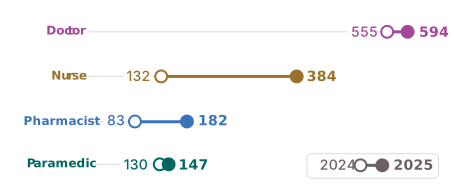
We requested data on the number of PINs that have been allocated to different groups of healthcare professions between 2008 and 2025. Figure 1 shows a clear shift from a medically dominated private prescribing model to a multi-disciplinary approach. Nurses, paramedics and pharmacists now form a large proportion of the private prescribing workforce. In 2025, the number of PINs allocated to pharmacists and nurses increased by 119% and 191%, respectively, compared with 2024.
The data showed that minimal numbers of physiotherapists, radiographers, podiatrists and optometrists have applied for PINs, and we have excluded this data because the numbers are so low it may inadvertently identify a particular practitioner. When reviewing this data, it’s also important to note that not all the prescribers who had PINs successfully issued since 2008 will necessarily still be working.
Figure 1: Total number of prescriber identification numbers allocated to doctors, nurses, pharmacists and paramedics since 2008
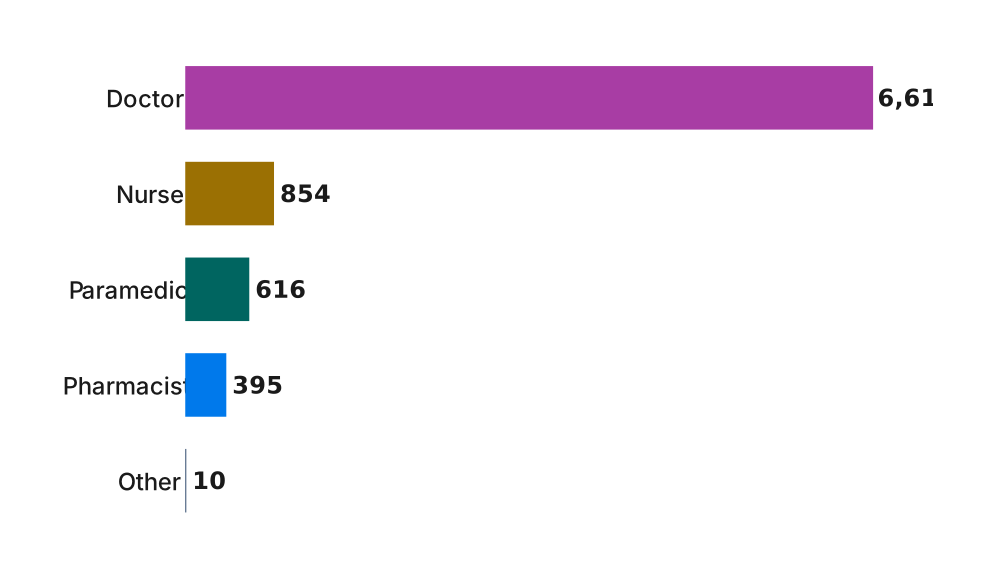
Figure 2: New prescriber identification numbers allocated to doctors, nurses, pharmacists and paramedics, from 2024 to 2025
Cross-border prescribing subgroup
A cross-border prescribing subgroup has been established to strengthen collaboration between the UK nations on the safe management and oversight of controlled drugs. The group provides a forum for sharing emerging concerns, best practice and analysis of prescribing trends. Early discussions highlighted several gaps in data and intelligence that affect the ability of relevant organisations to monitor cross-border activity. These include:
- inconsistent submission of private prescriptions by dispensing organisations
- variation in systems and data recorded for prescriptions across nations
- limited visibility of prescriptions that are issued in one nation but dispensed in another
- the absence of a shared methodology for identifying prescribing patterns that merit further scrutiny
- continued reliance on manual processing, which particularly affects the oversight of CBPM prescribing
- regulatory constraints where some bodies lack inspection powers over higher risk private settings.
Across the UK, the group has already noted considerable variation in how controlled drug prescriptions are collected, processed and shared. Many processes remain paper-based and lack digital integration. Growing volumes of private prescribing, especially for cannabis-based products for medicinal use (CBPMs) and ADHD medicines, combined with inconsistent submission of private prescription data, have contributed to several gaps in oversight. Although legislation enables sharing information for safety purposes, operational inconsistencies and fragmented systems continue to restrict oversight and overlook risk.
The group has outlined a potential programme of work to support greater consistency and shared oversight. Areas under consideration include mapping prescribing and data flows in each nation to build a clearer understanding of what information is collected, who holds it and where there may be gaps.
Improving the overall quality and consistency of data has been recognised as an area where further development may be beneficial. Work may include building a more coherent UK-wide view of private controlled drug prescribing, enhancing product coding and improving the capture of private activity.
Looking ahead, the group has discussed the ambition of moving towards a more digital approach to private prescribing, aligned where appropriate with national electronic prescribing capabilities. The concept of a unified UK dataset for controlled drug prescribing has been highlighted as a longer-term aspiration, as it could enable emerging risks to be identified earlier and provide a more consistent basis for oversight.
Access to controlled drugs for end of life care
We continue to hear about challenges in the community in ensuring safe and timely access to controlled drugs required for end of life care, which we previously highlighted in our annual update for 2022. These challenges can vary significantly by area. For example, community teams based in larger cities may have easier access to late night pharmacies that can supply controlled drugs at times where end of life care cannot be predicted, whereas some remote areas do not always have this access. Even when medicines are available from pharmacies, staff in community settings are not always available to travel to collect these, often due to demanding workloads.
In 2022, a survey by Marie Curie found that of the 60 UK areas surveyed, only 25% had a pharmacy open throughout the night to supply medicines needed for end of life care. Lack of access to the right medicines at the end of life has also contributed to avoidable hospital admissions.
We have also heard about problems for care homes where there are discrepancies between labelled anticipatory medicines (which include controlled drugs) and authorisations to administer. Our published information for services explains that, provided there is an up-to-date authorisation to administer and a clear audit trail for this, then this would be an acceptable instruction to follow, even if the label on the medicine had different (older) instructions.
We have also previously highlighted that some care homes were not aware that they may be exempt from the need for a Home Office licence to hold stock of controlled drugs if at least 50% of their funding is from charitable, public funding or voluntary subscriptions. Over the last year, we have heard more about this from the adult social care sector. Some services who wish to use the exemption are reticent about doing so because they are concerned about providing evidence of their funding arrangements, and have raised questions about what might happen when funding changes month-to-month.
For their own assurance, services could assess their funding over the previous 12-month period, and if their funding is derived from at least 50% charity or public funding, they may fall within the scope of this exemption. In general, public funding means funds that do not originate from private means. Services should continue to review this every year to ensure continued compliance with the regulations.
Having an appropriate stock of controlled drugs for end of life care could improve access to timely symptom relief, thereby improving people’s experience and that of their family, as well as reducing costs and the environmental impact associated with prescribing and supplying people with personal anticipatory medicines.
Cannabis-based products for medicinal use
Cannabis-based products for medicinal use (CBPMs) are Schedule 2 controlled drugs under the Misuse of Drugs Regulations 2001. During 2025, we continued to register clinics in the independent sector that provide treatment with CBPMs. At the time of publishing, 39 care providers that prescribe unlicensed CBPMs were registered with CQC.
Since a legislative change in 2018, CBPMs can be prescribed by, or under the direction of, a doctor who is on the specialist register of the General Medical Council to treat patients on a case-by-case basis for an unmet clinical need. The intentions of this legislative change were centred around treating a small number of medical conditions, such as severe treatment-resistant epilepsy.
Private prescribing of unlicensed schedule 2 CBPMs continues to rise steeply. For comparison:
- 833,525 items were prescribed from 1 April 2024 to 31 March 2025
- 356,335 items were prescribed from 1 April 2023 to 31 March 2024
This represents an increase of 134%. Figure 3 shows the prescribing trends since 2019.
Figure 3: Private prescribing of unlicensed CBPMs, 2019/20 to 2024/25
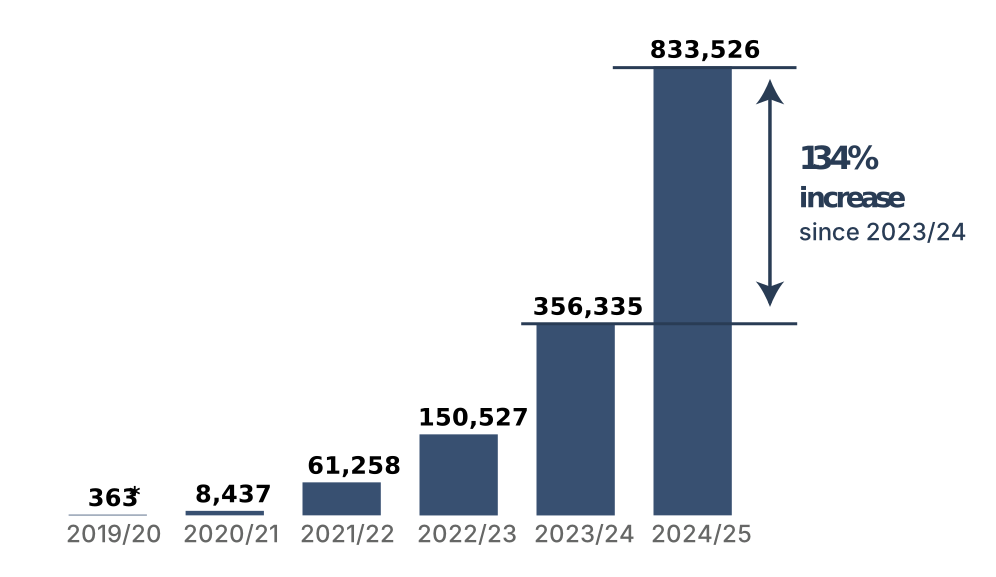
* Note: Data for 2019/20 is for October 2019 to March 2020 only
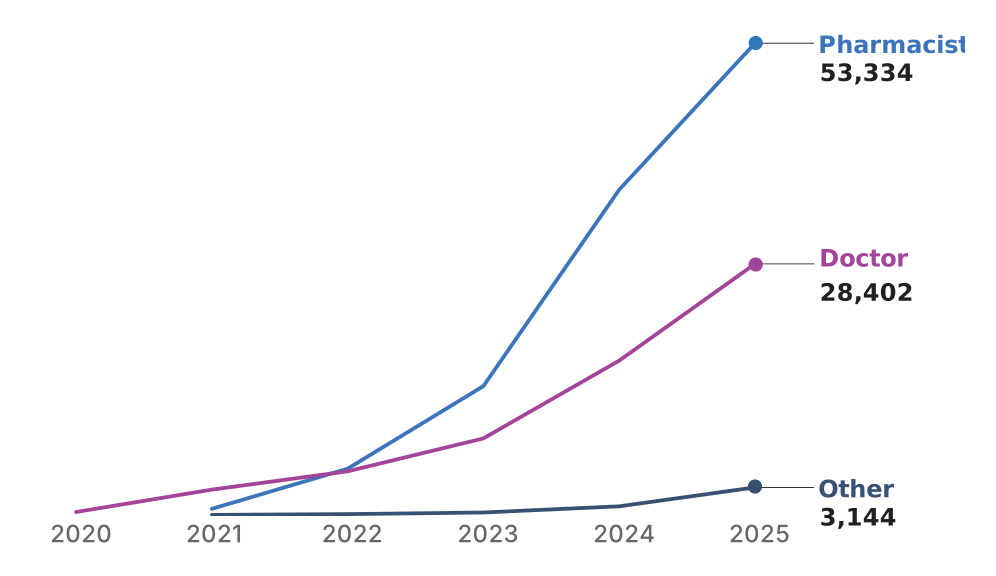
We are unable to view prescribing data at provider level due to how the private prescribing system works in practice. We have instead looked at prescriber types against the volume of prescriptions dispensed. The last complete calendar year with this data available is 2024. Figure 4 shows that in 2024, the main prescribers in this area are doctors and pharmacists:
- 209,644 items were prescribed by doctors
- 441,409 items were prescribed by pharmacists
The one-month average rates of prescribing for both professions continues to increase, including into 2025, where prescribing data up to May is available.
Figure 4: Monthly average CBPM items prescribed privately, by prescriber type, 2020 to 2025
Information from other agencies and from our inspections indicates that the majority of this prescribing occurs across a relatively small number of doctors and pharmacists.
Providers and healthcare professionals must assure themselves that they are prescribing safely at all points of a patient’s care journey – including allocating enough time to undertake all the duties required to ensure this happens. Professional regulators should have systems to enable them to review practitioners’ controlled drug prescribing activity as part of revalidation processes. This would improve oversight and understanding of prescribing patterns in this high-risk sector and is something that regulators in other nations undertake.
In our 2023 controlled drugs annual update, we called for a multi-agency review of the impact of the legislative change in 2018. We are pleased to see that this review is now underway, led by the Advisory Council for the Misuse of Drugs (ACMD). We have contributed proactively and look forward to the final report and recommendations.
Services prescribing CBPMs are evolving rapidly and are using various models of leadership and governance. Although services have used independent non-medical prescribers for some time, we have recently been made aware that some are using supplementary prescribers.
Supplementary prescribing is a partnership between a doctor or a dentist and a supplementary prescriber (non-medical healthcare professional) to implement an agreed Clinical Management Plan for an individual patient with that patient’s agreement. Although this fits within the legislative arrangements for prescribing CBPMs, it is crucial that Clinical Management Plans are thorough, and that supplementary prescribers operate within their scope of practice.
In October 2025, the General Pharmaceutical Council (GPhC) carried out a themed review of 25 GPhC registered pharmacies that were regularly supplying CBPMs. This highlighted areas of good practice, as well as areas for improvement, and made several recommendations. The review found that although most pharmacies were meeting the required standards for the safe procurement, storage, and dispensing of CBPMs, it identified a need for stronger collaboration and better information sharing between prescribing clinics, suppliers, pharmacies, and other healthcare providers.
The General Medical Council has also updated its information for doctors who prescribe CBPMs.
Initiation of CBPMs and the role of multi-disciplinary teams
We have found a wide variation in how providers are interpreting published guidance on the initiation of CBPMs. In some cases, this has led to poorer quality services.
To provide clarity for providers, we have published our expectations in terms of how CBPMs should be initiated and how multidisciplinary teams should engage with the initiation process. This supports and aligns with other published guidance. If necessary, we will review our guidance when the ACMD review is published.
Initiating CBPMs
Care providers must have a process to scrutinise and ratify the decision to initiate a CBPM. This is to ensure that it is a patient-centred and appropriate decision, and that an unmet clinical need has been established.
- In NHS services, this needs to be approved by the chair of the trust’s drug and therapeutic committee, or the trust’s medical director, (or an appropriate equivalent).
- In independent services, prescribers should follow an equivalent but proportionate process. For example, through decisions from a clinical governance board, multi-disciplinary team or similar.
These expectations are not new, and they align with expectations from NHS England’s National Medical Director and Chief Pharmaceutical Officer, which were originally published in 2019.
Role of the multi-disciplinary team
To ensure an effective process to scrutinise prescribing, our expectations are:
- Services must ensure that their processes allow for a minimum of 2 GMC specialist registered doctors to participate in the multi-disciplinary team to scrutinise and ratify prescribing decisions. This could be in person or asynchronously.
- The prescribing GMC specialist must be a specialist in the clinical specialism for which they are treating the patient.
- Any other specialist who reviews prescribing as part of the multi-disciplinary team must assure themselves that they have appropriate knowledge of the clinical specialism that they are being asked to review.
- Providers must have oversight of this process to ensure that they are meeting all the above requirements. Records should be effective and auditable to enable the multi-disciplinary team to operate.
This will mitigate the risks around inappropriate prescribing and will help to ensure that patients’ unmet clinical needs are being addressed.
Oversight of ongoing prescribing
The Misuse of Drugs Regulations 2001 make it clear that prescribing of CBPMs needs to be carried out by, or under the direction of, a GMC-registered specialist. We have seen examples of services that delegate care entirely to non-specialists with no ongoing practical involvement from the specialist. Services must be able to provide evidence that specialists have ongoing oversight of patients under their care and have practical involvement that is determined by the needs of the individual patient.
Informing other care providers about treatment
It is vital to have full and complete information before prescribing CBPMs, and to inform all relevant services and healthcare professionals about episodes of care. This may mean contacting secondary, specialist or other independent services, as well as a patient’s GP, where relevant.
Concerns regarding the inappropriate prescribing of CBPMs and our own calls for a review of the impact of changes in legislation have been echoed and amplified by the voices of families affected when inappropriate prescribing has resulted in harm and tragic consequences.
Our expectations in this area are clear and professional regulators also offer clear guidance to their registrants about this.
Engagement programme for services providing cannabis-based products for medicinal use
We have recently initiated an engagement programme with services that provide CBPMs to help us understand more about the services they offer, how they are managing risks, and to identify good practice. We will use the information in our ongoing monitoring activities in line with Regulation 17(3) of the Health and Social Care Act 2008 (Regulated Activities) Regulations and Regulation 19(1) of the Controlled Drugs (Supervision of Management and Use) Regulations 2013.
Updating the statement of purpose
Care providers registered with CQC to provide the regulated activity of Treatment of disease, disorder or injury that wish to start providing treatment with CBPMs must update their statement of purpose. They must notify us in writing within 28 days of the change. This enables us to check that their prescribing meets the legal requirements.
Sector guidance
The Medical Cannabis Clinicians Society has recently strengthened its guidance for clinicians who choose to prescribe CBPMs. Although we cannot endorse this guidance, some of its principles offer helpful advice to clinicians, especially to ensure that:
- a specialist consultant should, at a minimum, be involved in the patient’s first follow-up appointmentbefore care is fully transitioned to a shared care arrangement
- clear parameters are defined within a written treatment plan or policy to allow follow-up prescribers such as doctors not on the specialist register and independent prescribers (pharmacists or nurses) to adjust dose and formulation in response to the patient’s clinical progress.
These points align with our guidance and help to ensure that people’s care remains appropriate and safe.
Arrangements for people with attention deficit hyperactivity disorder
Challenges in access to services
The volume of NHS and private prescribing of medicines licensed for attention deficit hyperactivity disorder (ADHD) is continuing to increase. Access to NHS ADHD support is often associated with long waits running to several years, and this varies geographically. As a result, we continue to see patients turning to private providers for diagnosis and support.
The challenges in getting access to ADHD services are compounded by the fact that some GPs are unable to take on the care of people diagnosed privately, including formal shared care arrangements, often because of governance and their NHS workloads.
Transition to adult services
We hear of challenges and poor experiences for young people when transitioning from children’s to adult services. This was highlighted in a 2019 review by the Association of Child and Adolescent Mental Health and we are still hearing about this issue for young people today. Providers should review the services they offer to ensure that the transition pathways they implement enable positive experiences for young people who require treatment for ADHD, and support with their medicines on both an initial and ongoing basis.
Monitoring care
There are still concerns about the effectiveness of care processes – in particular ongoing monitoring of patients who are prescribed medicines for ADHD. In early 2026, a prevention of future deaths report highlighted the tragic death of a patient who was receiving treatment for ADHD. The report raised concerns about the effectiveness of information sharing processes between private and NHS services, referring to unclear communication between the private sector and NHS services as a factor.
Providers in both NHS and independent services must ensure they have effective systems to support the management of patients under their care. This must include processes for clear communication between any other services highlighted in the arrangements, such as primary, secondary and tertiary services. Professional regulators such as the General Medical Council and General Pharmaceutical Council have guidance for their registrants, which is clear about safe prescribing practices, especially where information from other care settings is unknown or unclear.
National guidance
In practice, we regularly see models where a range of healthcare professionals are diagnosing ADHD. In many cases, those healthcare professionals are appropriately experienced and competent to undertake this role. However, we also see examples of both nurse and pharmacist independent prescribers undertaking diagnosis, who – although they may have completed limited training in relation to ADHD – wrongly interpret this as meeting NICE guidance.
NICE guideline NG87, on the diagnosis and management of ADHD, states: “ADHD should only be diagnosed by a specialist psychiatrist, paediatrician or other appropriately qualified healthcare professional with training and expertise in diagnosing ADHD.”
It also clearly indicates that those professionals should undertake training so that they are able to diagnose ADHD and provide treatment and management in accordance with the guideline.
Healthcare professionals must only work within their scope of practice, and should review their professional regulators’ standards and expectations as part of their professional registration. Those working in this sector should review the guideline in full to assure themselves that they are competent to undertake their role. There is also likely to be a role for professional bodies in offering guidance as to what this could look like in practice for members working in this sector.
ADHD taskforce
NHS England commissioned an independent ADHD taskforce in 2024 to work alongside government, the NHS, the voluntary sector and people with lived experience. This was to identify ways to improve care for people living with ADHD. They are considering what changes are needed in the health, education and justice sectors to ensure timely, appropriate, effective, and high-quality support and are making recommendations on a whole-system approach to managing ADHD.
Two interim reports were published in 2025, and both NHS and private sector providers could benefit from reviewing these to ensure the service they offer meets patient needs.
- Report of the independent ADHD Taskforce: Part 1 (NHS England)
- Report of the independent ADHD Taskforce: Part 2 (NHS England)
Home Office licensing
We strongly encourage services to seek their own legal advice at the earliest opportunity on whether they will require a Home Office Controlled Drugs Licence for possession or supply purposes.
We encourage bodies that are responsible for commissioning services to ensure that incoming service providers have applied for a Home Office licence as soon as possible, where it is needed.
By applying for a licence as early as possible, the Home Office team can book in a visit if needed to ensure a licence in time for the proposed date to start the service.
If you are an existing licensee, you need to pay close attention to the covering letter supplied with the licence as this will indicate if a visit is likely next time, and whether any Disclosure and Barring Service (DBS) checks need to be renewed. It is the responsibility of individuals and organisations to renew DBS checks otherwise it may delay the progress of the application. To ensure services have continuing authority to operate while a renewal application is pending, the Home Office Controlled Drugs Licensing Team must acknowledge receipt of the application before the existing licence expires.
The Home Office receives a significant volume of controlled drugs licensing requests. Resourcing of the team that undertakes this work is very limited and would benefit from an urgent review, so that licensing requirements do not have a negative impact on health and care services, and consequently patients’ access to care.
Support for staff misusing controlled drugs
In our 2021 annual report, we raised concerns in relation to diversion and misuse of controlled drugs by staff. Unfortunately, we continue to hear of instances where workload and stress within the workplace have influenced people towards diversion and misuse.
Support offered to staff remains varied, not just in terms of the employing organisation, but what is available across the different healthcare professions. NHS Practitioner Health and NHS Resolution offer useful links to organisations that can support healthcare staff. Some professions continue to have established support charities such as Pharmacist Support, which provides a range of services, including support for mental health and wellbeing.
However, it is important to remember that support is not always available, especially in relation to staff who are not healthcare professionals. Anonymised case studies of how staff are supported and how difficult situations are managed are often shared within LINs, to help provide examples of good practice for members.
Police controlled drug liaison officer update
Police controlled drug liaison officers (CDLOs) play an important role in working with a range of healthcare partners to ensure controlled drugs are managed safely, to prevent diversion and investigate offences. They are also an important partner in our work across health and care. We had previously reported a lack of take-up of CDLO posts, but we are encouraged to hear that posts are nearly all filled across the country, with long-standing vacancies, for example in Hampshire and Wiltshire, now filled over the past 12 months. The Association of Police CDLOs held a best practice event to share learning and promote consistency in daily practice.
The Association of Police CDLOs has published guidance about medicinal cannabis for police officers and police staff. This has been formally approved by the National Police Chiefs Council (NPCC) and involved extensive consultation with healthcare partners and government. The guidance is focused on putting the needs of patients first and has received a positive response from patients and services that prescribe CBPMs.
CDLOs have reported concerns in relation to a lack of knowledge by some care home staff on the requirements for how controlled drugs should be stored, especially in relation to cabinets that are not constructed properly or with insufficient storage capacity. Care home providers should make sure their arrangements comply with the Misuse of Drugs (Safe Custody) Regulations 1973 – local CDLOs can offer advice about this. We have also produced useful guidance on this, as well as a self-assessment tool for services.
Last year, CDLOs raised the issue of the impact of controlled drug diversion on the UK economy. When CDLOs see diversion, it generally tends to be carried out by lone individuals who have personal challenges with controlled drugs.
Having a better understanding of the impact and cost of diversion would help ensure that the right strategies could be implemented to support both individuals and organisations, reducing the risk of harm both to those directly involved, and those further down the ‘diversion chain’.
Health inequalities and controlled drugs
Access to pain relief for people with sickle cell disease
Around 17,000 adults and children live with sickle cell disease in the UK. Many patients will experience a crisis in their lifetime, where sickle-shaped cells block blood vessels. This is a medical emergency, risking complications such as strokes and organ damage. It also causes extreme pain. NICE guidelines are therefore clear about the need to ensure patients can access effective pain relief within 30 minutes.
In our 2022/23 State of Care report, we highlighted that secondary care services are not always adequately equipped to ensure that patients who are experiencing a crisis can access effective and timely pain relief.
In 2025, NHS England’s National Healthcare Inequalities Improvement Programme through its Sickle Cell and Thalassemia improvement project undertook research in this area centred around a behavioural science approach. The research findings offer greater insight into the root causes of inadequate care, and offer some practical solutions aimed at supporting improvement at the service level. Providers may find this helpful to consider when reviewing how their own service supports people with sickle cell disease.
Deprivation and prescribing of dependence-forming medicines
Deprivation is a strong indicator of the prescribing of dependency-forming medicines, such as opioids, gabapentinoids and benzodiazepines. Prescribing data published by the NHS Business Services Authority showed that in 2024/25, the number of identified patients prescribed dependency-forming medicines was 57% higher in the most deprived areas of England compared with the least deprived.
This trend of higher prescribing in more deprived areas has seen little change over the last 10 years. To add further context, in 2024/25, 1.8 million patients who were prescribed a dependency-forming medicine were in the 20% most deprived areas in England. Conversely, this occurred for only 1.1 million patients in the 20% least deprived areas.
Prevention of Future Deaths Reports
Prevention of Future Death Reports, sometimes called a ‘Regulation 28 Report’, are issued by Coroners when they believe action can be taken to reduce the risk of recurrence of similar incidents. These reports often contain helpful learning in relation to controlled drug safety. We reviewed relevant reports from January to December 2025 and describe some of the helpful learning.
Missed opportunities
We noticed a handful of cases across health care, police custody and prison settings where the coroner determined that opportunities to intervene were missed, including how staff responded when people experienced harm as a result of a controlled drug, such as:
- having no experience in managing physical health and being unable to recognise when additional medical intervention and escalation was needed
- not offering appropriate detoxification to patients on their entry to a prison
- not initiating CPR in a police custody setting due to poor awareness of when it was necessary, and lack of clarity on who should undertake it
- not conducting routine welfare checks for a homeless person under their care, recording their physical health checks or seeking medical assistance when needed.
These cases highlight the importance of ensuring that staff are appropriately trained and competent to confidently deliver life-saving care to those who may have come to harm when using controlled drugs, or illicit substances.
Poor co-ordination and communication about care
In some cases, poor co-ordination of care between mental health providers and GPs or health and justice settings were highlighted as a cause for concern. While issues relating to the transfer of care have been reported widely, we mention this here given the additional risks to patients with a mental health condition who are also prescribed controlled drugs.
The risks associated with poor communication is a consistent focus of both professional and regulatory guidance. We strongly urge care providers to review their policies and procedures to minimise any risks to people using services, for example ensuring they have effective systems for sharing information with other care providers.
Progress on electronic prescribing
There has been limited progress in the legislative and functional system changes required to improve electronic prescribing of controlled drugs. In our 2024 report we highlighted the resulting logistical issues, especially for services that operate over large geographical areas. It can also lead to instances of delays in supply, and therefore potential delays to discharge, because of the time and resource required to meet the legislative requirement.
In 2023, the Advisory Council on the Misuse of Drugs (ACMD) recommended that electronic prescribing should be allowed in secondary care and health and justice. However, the legislative changes needed to make this happen have not yet been implemented. Additionally, there has been no consideration of an electronic solution for the private prescribing of Schedule 2 and 3 controlled drugs.
This issue should be prioritised. We know that improved digital capability has the potential to improve patient safety and experience, service efficiency, and national and local oversight of prescribing – which has been highlighted as an area of concern through our cross-border prescribing group.
Assuring safety of electronic prescribing and administration systems
Most NHS trusts and many independent providers use electronic prescribing and medicines administration systems (EPMA). These are live systems, requiring updates, upgrades, effective maintenance and configuration to ensure that medicines, including controlled drugs, are being prescribed and administered safely. A recent Health Services Safety Investigation Body (HSSIB) report has highlighted the risks associated with ineffective approaches to procuring and maintaining EPMA systems.
This report also includes local-level learning to help organisations consider and mitigate risks around procuring EPMA as well as identifying and sharing learning from patient safety issues once it has been deployed. Many of the questions highlighted in this local learning feed into the regulatory requirements for providers to assure themselves that the EPMA systems they use are safe, effective and appropriately mitigate risk.
NHS England has commissioned the web-based Electronic Prescribing and Safety Evaluation (ePRASE) tool to support trusts with self-assessment of their EPMA systems. Alongside this, there is also a Learning Lab which is an interactive learning resource developed to support digital and pharmacy teams to optimise their electronic prescribing systems. It also includes case studies of how trusts have undertaken improvements as a result of their self-assessment. Where appropriate, NHS trusts should use this tool to support their own self-assessment and resulting action plans around EPMA assurance.
Diversion of medicines
Although this report is about the safer management of controlled drugs, we take this opportunity to highlight that diversion of non-controlled medicines represents a recognised risk to the safety of patients and the wider public. Medicines such as GLP-1 agonists semaglutide (Wegovy®, Ozempic®) and tirzepatide (Mounjaro®), and botulinum toxin share key risk characteristics with controlled drugs, including a high demand, significant financial value, and potential for misuse or onward supply outside authorised channels.
High global demand for GLP-1 agonists has led to supply constraints and the emergence of counterfeit products within legitimate supply chains. We hear that some providers have responded to this by introducing enhanced oversight arrangements for high-risk non-controlled drugs, including tighter stock control (for example, signing-out registers), restricted access, and closer scrutiny of prescribing and procurement patterns. These controls align closely with established controlled drugs governance frameworks.
We have seen a recent example of the successful use of near real-time data analytics to monitor prescribing and procurement patterns for high-risk non-controlled drugs. This has demonstrated the value of continuous surveillance alongside periodic audit, enabling emerging risks to be identified earlier.
Intelligence sharing between regulators, professional bodies and supply chain partners in response to non-controlled drug diversion has further highlighted the benefits of co-ordinated, cross-system approaches, which can strengthen existing incident reporting and regulatory notification processes. The effective management of supply chain risks for high-cost non-controlled medicines also emphasises the value of transparency and proactive engagement with manufacturers and distributors. These are principles that can be applied to the management of controlled drugs to reduce vulnerabilities to theft or diversion.
Ketamine and esketamine
Ketamine and esketamine are Schedule 2 controlled drugs under the Misuse of Drugs Regulations 2001. Although they are both licensed for use as an anaesthetic, they are becoming more commonly used for treatment of mental illness, such as in treatment-resistant depression, where they are often administered alongside psychotherapy.
We encourage any providers looking to provide ketamine or esketamine services specifically for mental illness to review reports from:
- the Royal College of Psychiatrists on the Safety and efficacy of psychedelics and related substances (PARS)
- the Advisory Council on the Misuse of Drugs on the Updated review of use and harms of ketamine.
This will help ensure that services are evidence-based and patient-centred.
At the time of publishing, we are aware of a small number of CQC-registered care providers that prescribe ketamine or esketamine for treatment-resistant depression. We encourage both current and prospective care providers to ensure good governance, and to consider factors that may place patients at risk of side effects and minimise risk of inappropriate use or diversion.
This is especially relevant given the increasingly widespread illicit use of ketamine and the associated harms, such as ‘ketamine bladder’. Evidence from the ACMD review also indicated that people are self-medicating by using ketamine for both physical and mental health disorders. It was also mentioned as a causative factor in 4 of the preventing future death reports that were reviewed for this report.